
The Woodturning Community Is Very Close-Knit and Helpful (Most of the Time)
A lighthearted reflection on the close-knit, generous, and occasionally opinionated woodturning community — including a recent craft fair encounter that proves even a great community has its occasional knot.
One of the best parts about being a woodturner — aside from the smell of fresh shavings and the excuse to own way too many chisels — is the community. Woodturners are, by and large, some of the most generous and supportive people you’ll ever meet. We share tips, tools, wood, and the occasional “you really shouldn’t have tried that” story.
But like any good piece of wood, even the friendliest community has a few knots.
A Family Made of Sawdust and Stories
If you’ve ever walked into a woodturning club meeting or scrolled through an online turning group, you’ll know what I mean. Someone is always ready to lend advice: “Try a negative rake scraper there,” or “Don’t sand past 400 grit unless you’re getting paid by the hour.”
It’s like an extended family — one that speaks fluent “lathe.” We celebrate each other’s successes and occasionally commiserate over the bowl that exploded at 2,000 RPM.
And when someone new shows up with their first pen blank or spindle project, there’s always a chorus of encouragement. That’s the kind of camaraderie you can’t fake — built on the shared understanding that every great piece starts with a few mistakes and a cloud of sawdust.
The Helpful, the Honest, and the Hilarious
Ask for help in a turning forum, and you’ll get answers — lots of them. Sometimes too many. Post a picture of a slightly off-center tenon, and you’ll get twenty responses in an hour, ranging from “Nice save!” to “I’d have started over.”
The beauty of it is that everyone means well. We’re all trying to pass on what we’ve learned — even if it occasionally comes with a dose of unsolicited wisdom. (Let’s just say there’s no shortage of opinions about sanding techniques or the “right” way to sharpen a gouge.)
Still, there’s something heartwarming about how much people care. They want to see you succeed — even if their version of “helpful” comes with a side of tough love.
Sharing the Craft, Not Just the Finished Piece
One of the things that keeps me inspired is how freely woodturners share their process. You can ask how someone achieved that flawless finish or captured that incredible grain, and more often than not, they’ll tell you exactly how they did it.
There’s an old saying: “Turners don’t keep secrets — just shavings.”
And it’s true. Whether it’s at a local demo, a symposium, or online, there’s a sense that we’re all learning together. Every turner has a story about the one who helped them out — with a trick for avoiding catches, a better sanding sequence, or even just the right encouragement to keep trying.
Most of the Time, Anyway…
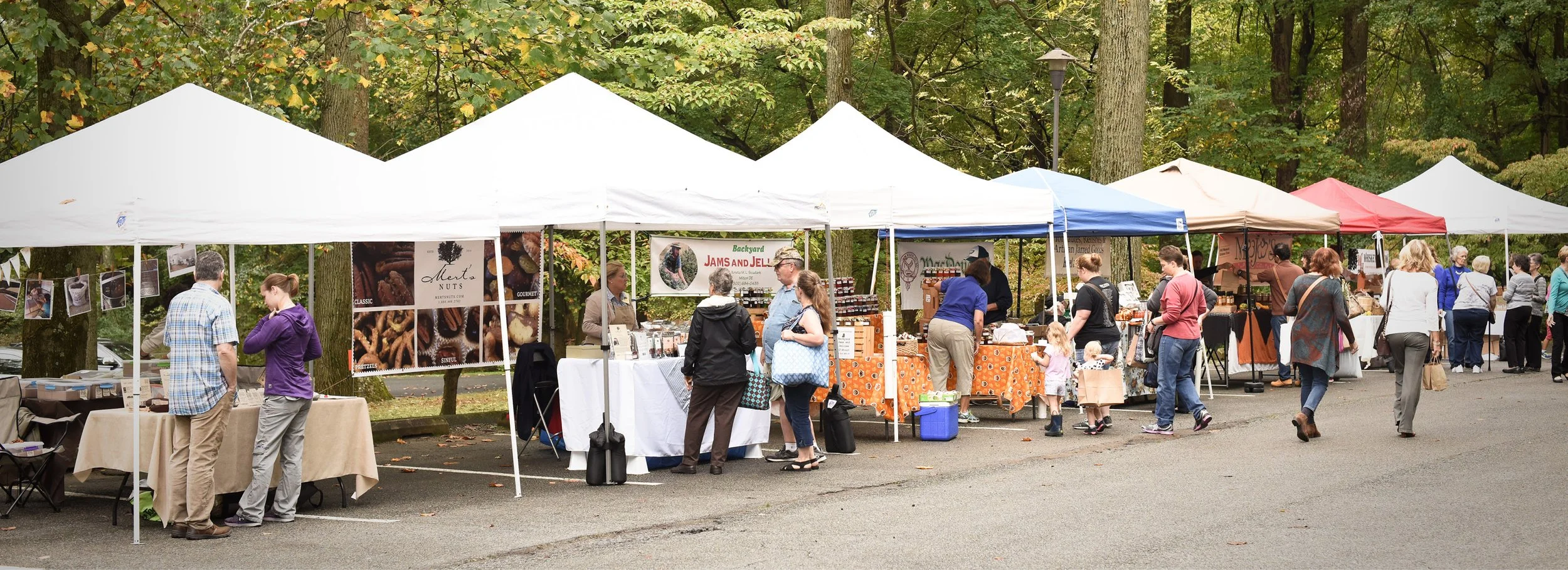
Of course, no community is perfect. I was reminded of that recently at a high-end juried craft fair. I struck up a conversation with another woodturner whose work was beautiful — the kind of craftsmanship that makes you both admire and question your life choices.
We talked easily at first about wood sources (stay tuned for an upcoming blog on that), finishes, and techniques. But when he found out that I also turn and exhibit at shows — and that I still consider myself a hobbyist — his tone shifted. Suddenly, the friendly exchange became something closer to a lecture. Let’s just say I went from “fellow craftsman” to “student who forgot his homework” pretty quickly.
It was a little disappointing, honestly. Because most woodturners I’ve met are the exact opposite — open, encouraging, and genuinely excited to share their knowledge. This was the rare exception, a reminder that even in a close-knit community, you occasionally meet someone who forgets that we all started somewhere.
Still, I left that encounter more amused than offended. If anything, it reinforced what makes the rest of the community so special — that generosity of spirit, the willingness to help, and the understanding that whether you sell your work at galleries or give it away to family, we’re all in this for the same reason: the love of turning.
Why It Matters
Woodturning can be a solitary craft. You spend a lot of time alone in the shop, listening to the hum of the lathe and the rhythm of the cut. But knowing there’s a community out there — people who get it, who’ve been there — makes it all richer.
It reminds you that even though every piece you make is unique, the journey isn’t one you’re taking alone.